
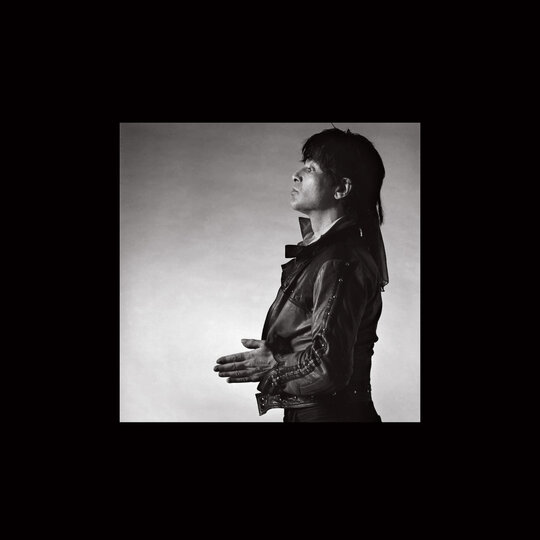
Alan Vega: A Unique Blend of Dystopian Blues and Punk Reverberations
Pioneering musical artist Alan Vega didn’t merely use rock instruments differently. Instead, he recreated and reinforced his distinct musical style. As a solo artist, his first two albums featured a captivating fusion of punk-rockabilly and dystopian blues. His 1980 debut album, aptly named ‘Alan Vega,’ was a testament to his groundbreaking music style. Along with guitarist Phil Hawk, Vega blended elements of amphetamized rockabilly with Bowery punk, creating a sound reminiscent of Charlie Feathers and Iggy Pop. Born Alan Bermowitz and known professionally as Alan Vega, the vocalist exhibited a distinctive take on classic rock and roll.
In his album ‘Alan Vega,’ his profound homage to Elvis Presley titled ‘Lonely’ and the haunting ‘Bye Bye Bayou’ showcased Vega’s evocative and more reflective side. However, it was ‘Jukebox Babe,’ a track seemingly channeling the essence of Sun Studios, that truly embodied Vega’s mutant punk-rockabilly approach. Alan’s experimental zeal extended into his second album ‘Collision Drive’ released in 1981. For the first time, Vega used a full band, intensifying the spirit of his trademark snarls, hiccups, and general derangement. One standout moment was the rockabilly reimagining of his own song ‘Ghost Rider,’ first recorded by his electronic proto-punk duo Suicide. His ode to Gene Vincent’s ‘Be Bop A Lula’ also graced the album with its faithful cover.
Underneath Vega’s musical persona also lied a skilled visual artist. Born in 1938 in the heart of Brooklyn, Alan Bermowitz graduated from Brooklyn College studying physics and fine art. He later evolved into ‘Alan Suicide,’ producing mesmerizing light sculptures from electronic debris. His engagement with the Art Workers’ Coalition, a radical artist group, confirmed Vega’s commitment to pushing the boundaries of traditional art mediums.
Vega’s musical journey began in earnest with the formation of Suicide, a project he initiated with Martin “Rev” Reverby. Taking inspiration from acts like The Stooges, Suicide embodied a vision that was avant-garde and prototypes of punk music. Eventually, his solo career sparked in 1980, defining a frantic rockabilly style that later peaked with the popular French single ‘Jukebox Babe.’ Despite commercial setbacks with his 1985 album ‘Just a Million Dreams,’ Vega’s relentless pursuit to experiment and innovate remained unscathed.
The late artist’s mark continues to resonate within the music industry with posthumous album releases like ‘Mutator’ in 2021 and ‘Insurrection’ in 2024. Consisting of previously unreleased tracks, these collections are a testament to Alan Vega‘s enduring legacy and his undying love for artistic expression. Celebrated artists like Martin Rev, Ric Ocasek, and Lydia Lunch have all acknowledged Vega’s influence, confirming his widely spread musical imprint across the industry.
Learn more about Alan Vega