Description
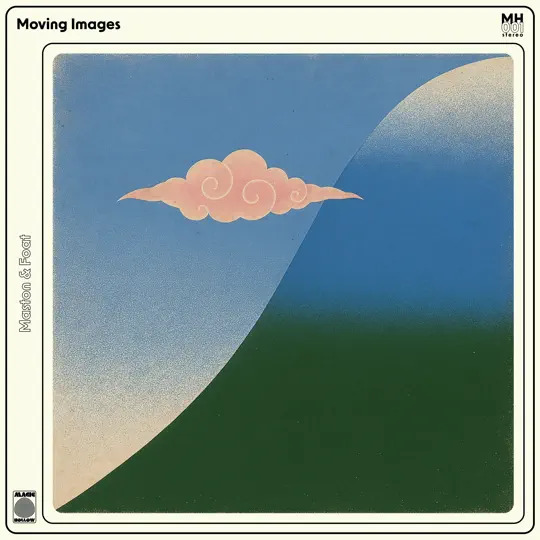
April 2026 will see the release of Moving Images, a captivating new vinyl album from composer and producer Frank Maston in collaboration with Greg Foat. Emerging on Magic Hollow, an independent label recently founded by Daniel O’Sullivan, this project melds the classic allure of European library music with a contemporary electronic sensibility. Recorded early 2025 at Ritmo Studios in the Swiss town of Leysin, the record embraces vintage keyboards and analogue synthesis to create a rich sonic palette that evokes the golden era of production music while carving out its own distinct atmosphere. The inclusion of Swiss bassist Elie Ghersinu adds a tangible warmth and groove that deepens the textural landscape of this thoughtfully crafted work.
Rooted firmly in the electronic music tradition, Moving Images draws palpable influences from seminal figures such as Alan Hawkshaw, whose pioneering compositional style shaped much of Europe’s library music soundscape during the 1960s and 70s, and Alessandro Alessandroni, known for his evocative soundtrack contributions. Yet Maston and Foat steer these inspirations through a contemporary lens, resulting in an album that balances nostalgia with innovation. The carefully arranged tracks like “Street Scene” and “Night Vision” invite listeners into a cinematic auditory experience, folding aspects of downtempo rhythms, ambient textures, and subtle jazz-inflected motifs. These qualities may resonate with aficionados of artists exploring the intersections of electronic and soundtrack genres, such as The Advisory Circle or Pye Corner Audio, who similarly bridge past and present with intricate sound design.
The album’s structure reveals a progression rich with evocative atmospheres and narrative suggestion, where pieces like “Talking Shoes” and “Waiting Room” blend minimalistic electronic frameworks with organic instrumentation. This hybrid approach aligns with a broader trend among independent labels that prioritize vinyl releases as a way to celebrate the tactile and auditory qualities that digital often flattens. Magic Hollow’s inaugural release thus arrives as a carefully curated vinyl LP, targeting collectors and enthusiasts attuned to the resurgence of analog warmth and the heritage of library music reissues and new interpretations. It situates Maston and Foat within a network of contemporary composers who challenge the boundaries of genre, akin to the thoughtful explorations of artists such as Christian Loeffler or Actress, whose works also blend electronic textures with cinematic depth.
The context of this release offers a unique artistic statement from two collaborators whose backgrounds complement each other—Maston’s expertise in composing and producing textured soundscapes pairs with Foat’s nuanced touch, enhancing the album’s layered instrumentation. The Swiss recording environment arguably influenced the album’s cool and spacious feel, echoing elements reminiscent of European electronic pioneers. Its twelve tracks encompass a journey through moods and sonic colors: from the urban observations implied in “Street Scene” to the more introspective and atmospheric vibes of “Snow Drift” and “Carving Jade.” This nuanced storytelling via sound situates Moving Images not only as a work for dedicated listeners of electronic music but also for those interested in broader experimental and instrumental domains.
Within the landscape of new music releases framed by independent labels, Magic Hollow’s debut encapsulates a commitment to artistic quality and the enduring appeal of analog formats such as vinyl. The label’s decision to champion such a synthesis of mid-century inspirations and contemporary electronic production techniques aligns with a growing appreciation for electronic albums that function as both listening experiences and collectible artifacts. As Moving Images enters the market, it will likely attract listeners who appreciate subtle, cinematic compositions that evade easy categorization—offering a sonic environment equally evocative of labels like Ghost Box and the carefully considered vinyl presentations championed by DJs and producers immersed in the nexus of electronic, experimental, and soundtrack music.
By situating themselves between reverence for the golden age of library music and the forward-looking pulse of contemporary electronic composition, Maston and Greg Foat contribute an important perspective to the evolving dialogue around instrumental albums on vinyl. Their work invites reflection on the enduring dialogue between past and present sound worlds, affirming how analog synthesis and thoughtful instrumentation can combine to create music both timeless and immediate. As record collectors and listeners explore the offerings of Magic Hollow’s first release, Moving Images promises to enrich the discourse around current electronic music production while honoring its deep historical lineage.