Reggae music is a genre that originated in Jamaica in the late 1960s, evolving from earlier Caribbean styles such as ska and rocksteady. Known for its distinctive offbeat rhythm, relaxed tempo, and socially conscious themes, reggae combines elements of African and Caribbean musical traditions with American soul and rhythm and blues. The genre’s characteristic sound features steady, prominent basslines, syncopated guitar or piano chords, and drum patterns that emphasize the third beat, creating its iconic laid-back groove.
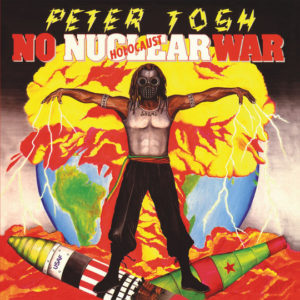
Reggae emerged during a transformative period in Jamaican culture, reflecting political shifts, economic struggles, and the influence of Rastafarian philosophy. Early pioneers such as The Wailers, featuring Bob Marley, Peter Tosh, and Bunny Wailer, played a central role in shaping the genre’s identity. Marley, in particular, became a global symbol of reggae, spreading messages of unity, resistance, and spiritual consciousness. Other influential figures include Toots and the Maytals, whose song “Do the Reggay” helped popularize the term itself, and producers like Lee “Scratch” Perry, who introduced experimental studio techniques that transformed Jamaican music.
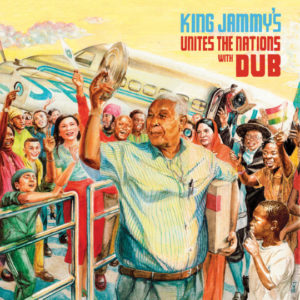
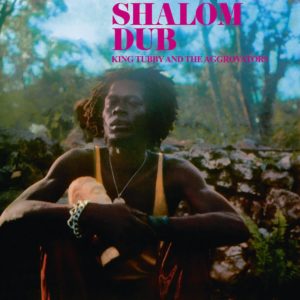
Throughout the 1970s, reggae developed a deeper, more meditative style known as roots reggae, focused on themes of oppression, faith, repatriation, and social justice. Artists such as Burning Spear, Culture, and The Abyssinians were central to this movement. During the same era, Jamaican studios pioneered dub, a highly influential subgenre characterized by remixing techniques, echo effects, reverb, and stripped-down instrumental versions. Key figures in dub include King Tubby, Lee “Scratch” Perry, and Scientist, whose innovations later influenced electronic music, hip hop, and dance styles worldwide.
Reggae also expanded into lovers rock, a romantic, soulful substyle that emerged primarily in the United Kingdom, featuring artists like Janet Kay and Louisa Mark. The genre contributed significantly to the rise of dancehall, which grew during the late 1970s and 1980s, shifting toward faster rhythms, digital production, and toasting — a vocal style that helped inspire rap and modern vocal delivery. Reggae’s global influence spread across Africa, Europe, the Pacific Islands, and the Americas, shaping hybrid genres such as reggae fusion, reggaeton, and various local adaptations.
Today, reggae remains a powerful cultural and musical force, celebrated for its rhythmic innovation, its deep spiritual and political messages, and its role in shaping modern global music. From classic roots recordings to contemporary interpretations, reggae continues to evolve while maintaining its unmistakable identity and enduring connection to Jamaican heritage.
Showing 1–12 of 42 resultsSorted by latest