
Description
#transglobalunderground #vinyl #vinylrecords
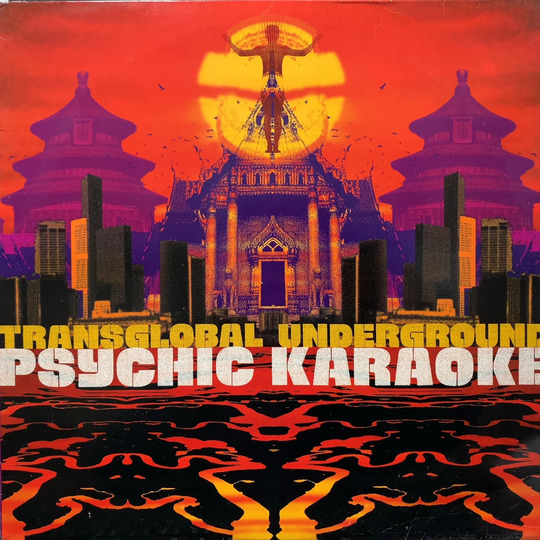
Transglobal Underground, a pioneering English collective in the realm of world fusion and ethno techno, released their album ‘Psychic Karaoke’ in 1996—a remarkable effort that encapsulates their innovative spirit and dedication to blending diverse musical styles. Known for their unique amalgamation of Western, Asian, and African musical influences, the group has continually reshaped the notions of folk rock, pushing the boundaries of genre while maintaining a commitment to cultural richness and creativity. Throughout their history, the collective has featured prominent talents like Natacha Atlas, whose powerful vocals contributed significantly to their early works, including the iconic single “Temple Head,” associated with the 1996 Olympic Games.
At the heart of Transglobal Underground‘s musical landscape are core members Tim Whelan and Hamilton Lee, whose chemistry and diverse instrumentation drive the group’s distinctive sound. Initially rising from the ashes of British pop band Furniture, this duo, along with fellow member Nick Page (known as Count Dubulah), began their journey by exploring a mélange of cultural sounds through innovative means. Whelan’s mastery of various instruments—from keyboards to flute—combined with Lee’s dynamic percussion creates a captivating atmosphere that has become synonymous with Transglobal Underground‘s performances. Their lively shows often fuse dramatic visual elements, such as dance and elaborate costumes, making each concert an immersive experience for fans.
‘Psychic Karaoke’ represents a crucial entry in Transglobal Underground‘s discography, following the acclaimed ‘International Times’ and sitting among a trio of albums that showcase their continued evolution. Following its release, the group dove deep into the remixes and global sounds filling clubs around the world, demonstrating their keen ability to remain relevant while collaborating with various artists across genres. The album stands as a testament to their experimentation and willingness to unshackle themselves from conventional norms. As the band members transitioned through different line-ups, their adaptability never dampened their signature flair, stating how influential they have been within the sphere of world music.
Notably, Transglobal Underground was part of a larger movement that also included acts like Fun-Da-Mental and Banco de Gaia, who shared a similar ethos of experimentation and cross-cultural collaboration. These partnerships helped to nurture a vibrant community around world music in the 1990s, making it a momentous decade for genre-blurring artists wishing to proliferate global sounds. Each band’s contribution added more depth to a burgeoning landscape, where cultural exchange became the preferred backdrop for artistic expression, paving the way for future generations of musicians.
Over the years, Transglobal Underground has welcomed an array of guest musicians, enhancing their soundscape and further illustrating their commitment to collaboration. Artists ranging from Bulgarian vocalists to British jazz improvisers have lent their talents to enrich the group’s already vibrant sonic tapestry. The fusion of such diverse styles solidifies their reputation as trailblazers in the global music community—highlighting not just their versatility, but also their aim to create art that resonates across cultures while challenging preconceived notions of what music can represent.
At its essence, listening to ‘Psychic Karaoke’ is an invitation on a musical expedition. The album captures the very spirit of Transglobal Underground—an irreversible blend of traditions, innovative rhythms, and explorative sounds that keep listeners engaged. Their works unveil layers of depth and intricacy that remain thrilling years after their release, making it a vital listen for anyone eager to navigate the vibrant intersection of music that knows no boundaries. Each track is a reflection of their ethos: to craft a rich auditory experience that speaks to the heart of cultural unity and experimentation, reminding us that the journey through sound is as vital as the destination itself.