
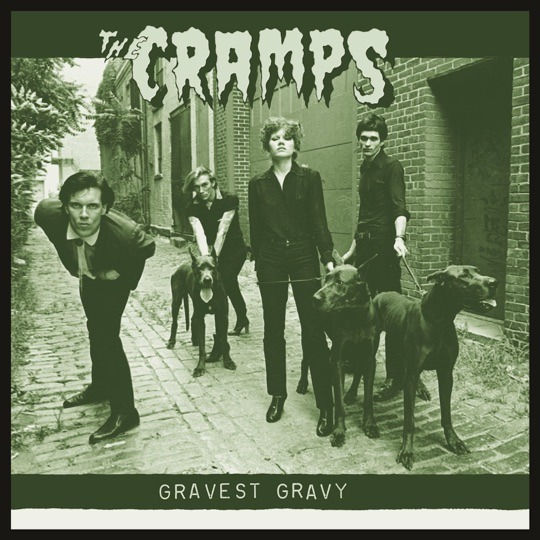
The Cramps’ 1977 Gravest Gravy reissue revives early psychobilly sessions on vinyl
Emerging from the underground scene of the late 1970s, The Cramps carved a unique niche in American rock music by blending raw punk energy with the haunting twang of rockabilly, a style that would later be recognized as psychobilly. Recorded in October 1977 at the renowned Ardent Studios in Memphis and produced by Alex Chilton, the long-unreleased album from The Cramps titled Gravest Gravy presents an invaluable glimpse into their formative years, capturing the band in an embryonic yet fiercely spirited state. This archival project, issued by Vengeance Records, is the first in a series aimed at chronicling the enigmatic history of one of the genre’s pioneering acts, well before their 1980 debut Songs the Lord Taught Us.
The significance of Gravest Gravy lies not only in its status as a recovered artifact but also in its track listing, which includes early renditions of their gritty singles such as “Surfin’ Bird” and “Human Fly,” alongside previously unheard material from the band’s earliest sessions. These recordings showcase the raw textures and rebellious spirit that would influence a swath of underground and alternative rock movements in subsequent decades. The album benefits from the patronage and enthusiasm of figures like Henry Rollins and Ian MacKaye, whose support helped bring this lost chapter of punk-influenced psychobilly back into the light, offering vinyl collectors and new audiences alike a chance to explore The Cramps’ sonic roots in an authentic analogue format.
With this reissue, listeners can experience the primal blend of punk rock rhythms and gothic rockabilly aesthetics that defined The Cramps’ enduring sound, a hybrid that aligns them in proximity with other boundary-pushing artists such as The Gun Club, The Damned in their early years, and even the spooky surf-inspired tones of Link Wray. The release also enriches the landscape of independent labels dedicated to preserving and revitalizing underground music legacies, with Vengeance Records playing a crucial role in the stewardship of these important archival recordings. The vinyl format reaffirms the tactile and immersive experience sought after by enthusiasts of punk’s DIY ethos and psychobilly’s cult appeal.
The album’s production under Alex Chilton contributes an additional layer of historical depth, as Chilton’s Memphis roots and experience with Big Star highlight the intersection of power pop sensibility and raw punk ferocity that The Cramps harnessed during their early days. This confluence of influences provides a compelling contrast to the more polished production that characterized their official 1980 debut. The tracks reflect a band in creative flux, channeling the urgency and novelty of punk while delving into macabre themes and twisted Americana, a legacy which would resonate with later acts spanning across experimental rock and alternative scenes.
For aficionados of psychobilly, punk rock, and the broader spectrum of alternative and experimental music that thrives on the fringes, the arrival of Gravest Gravy on vinyl marks a significant occasion. It invites a reevaluation of The Cramps’ early contributions and their role in shaping the contours of underground rock music. This release stands as a vital document for collectors and historians eager to contextualize the band’s evolution, opening a window onto the raw energy and innovation that would underpin not only their career but also influence a generation of musicians drawn to hybridized sounds combining ferocity and groove.
In bringing this shelved material to light, Vengeance Records underlines the importance of independent labels in preserving foundational recordings that might otherwise remain unheard. The archival effort behind Gravest Gravy complements recent trends in reissuing seminal works within the independent and alternative domains, similarly seen in the catalog care of labels specializing in experimental, punk, and niche electronic music scenes. As vinyl continues to sustain its resurgence among collectors, releases such as this underscore the medium’s capacity to foster renewed appreciation for historic acts like The Cramps, offering both tangible engagement and enriched context for new music listeners and seasoned fans alike.
Learn more about The Cramps